


Banissa constituency in Mandera County will finally go to the polls on November 27, 2025, ending more than two years without parliamentary representation. The by-election follows the death of MP Kulow Maalim Hassan in March 2023 and comes after repeated delays triggered by legal disputes and budget constraints. For residents, this is more than a political event; it is about restoring their voice in Parliament and unlocking long-delayed development resources.
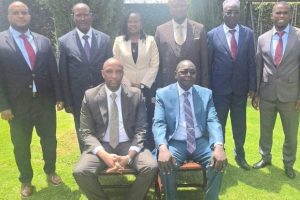
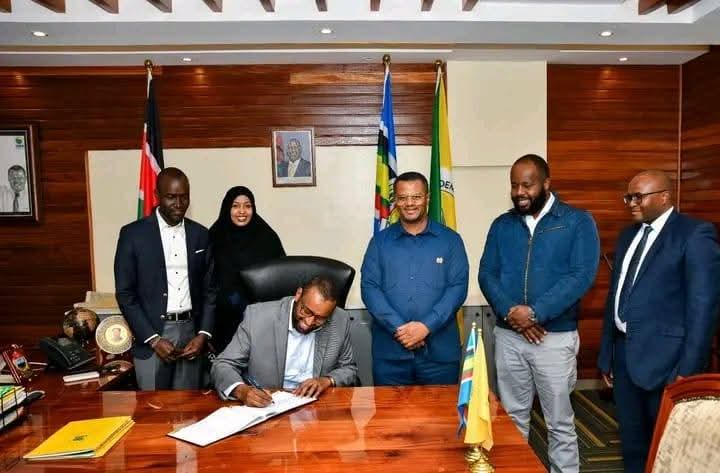
All eyes are on Barre, the UDA candidate whose campaign has gained unstoppable momentum. With the backing of the UDA–UDM merger and the unprecedented unity of the Adolla community’s eight sub-clans, Barre has secured broad-based support that few rivals can match. His candidacy is framed as both a continuation of the late Kulow’s legacy and a promise of new energy in addressing Banissa’s pressing issues of insecurity, infrastructure, and economic inclusion.
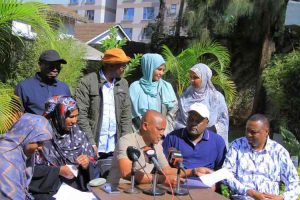
His closest challenger is Muhammed Aden “Kiongozi” of the Democracy for the Citizens Party (DCP), unveiled with the support of former Deputy President Rigathi Gachagua. Kiongozi brands himself as the fresh leadership candidate, pushing an agenda of accountability and alternative politics to counter UDA’s dominance. Also in the race is Independent candidate Nurdin Dalato, who appeals to voters disillusioned by party politics. Dalato emphasizes youth empowerment and inclusive governance, seeking to build support among those who want a break from partisan rivalries.
The August 2025 Mizani Africa polls highlights Barre’s commanding position, giving him 67.3% of voter preference against 19.1% for Kiongozi, while 7.1% remain undecided. Dalato was not measured in the survey but is expected to make a play for undecided voters in the final weeks.
This by-election is a critical test of the UDA–UDM merger’s dominance in North Eastern Kenya and a measure of the IEBC’s credibility after years of delay. Yet on the ground, it is Barre’s momentum and overwhelming support that continue to define the Banissa race.